
"Brazilian heritage"
80 article(s) found

News of Brazilian coffee; rediscovered the legacy of Brazilian coffee tycoons.
About archives this is a digital version of an article in the Times print archives before the start of online publication in 1996. In order to keep these articles from appearing in the first place, the Times will not change, edit or update them. Occasionally the digitization process introduces transcriptional errors or other problems. The architecture of Brazil is characterized by its Portuguese-influenced Baroque church, Oskanimai.

What are the Brazilian coffee brands of Sitio Bateia Manor Coffee?
Professional coffee knowledge exchange more coffee bean information please follow the coffee workshop (Wechat official account cafe_style) Sitio Bateia Marcos Antonio Tomazini (Marcos Antonio Tomazini) is the manufacturer of exquisite washers from Patrimonio do Ouro, a street in Esp í rito Santo Espirito Santo, Brazil. The area has a mild

Brazil Miki Manor late season honey treatment Kaduai flavor how? Introduction of Brazilian non-traditional Coffee
Origin: Brazil Brazil production area: Esprito Santo San Isprito State Farm: Stio Trs Barras Miki Manor producer: Horacio altitude: 1100m~1200m production season: 2019 / 2020 Variety: Catuca Kaduai raw bean treatment: Honey honey treatment flavor: ground coffee has pleasant floral and berry aromas and tastes like blackberries
Introduction of Brazilian Coffee Esse Coffee Bean producing area description of flavor characteristics of Guji rambutan coffee beans
Professional coffee knowledge exchange more coffee bean information please follow the coffee workshop (Wechat official account cafe_style) flavor description dried fragrance is sweet-scented osmanthus, sugar fried chestnut, strawberry, sipping is raspberry, jasmine, mangosteen, melon and other tropical fruit aromas. Production area information Ethiopia Guji production area 1800 meters ~ 2100 meters beans information 2019 production season sun native species although

Legends of Veloso Manor in Brazil. How are the coffee beans in Santo Veloso?
Brazil is the most coffee-producing country in the world! It's just a lot!. Brazil in South America is so unrestrained and enthusiastic! Coffee is the bridge of their lives. If you don't drink the host's coffee in Brazil!. It may be very difficult for you to leave! It is disrespectful to the host not to drink coffee in Brazil. So go to a friend's house in Brazil and drink a toast with coffee!
Brazil New World Honey treatment Corner Farm Rainforest Certification artificial selection of beans Brazilian Coffee introduction
For more information on coffee beans, please pay attention to the coffee workshop (Wechat official account cafe_style) Alpine coffee in Brazil is located in the south of Minas, Brazil, to the west of the Mandicella Mountains, one of the mountains in Brazil, located in southeastern Brazil, by the states of Sao Paulo, Minas Gerais and Rio de Janeiro, with a total length of about 320km.

Coffee cultivation and development in Cuba
Coffee farming in Cuba began in the mid-18th century, with the first coffee farm established by Don Jos Gelabert in Wajay, outside Havana, in 1748. A large number of French and submarine immigrants followed after the outbreak of the Haitian Revolution in 1789.

How about coffee beans in Brazil Santos producing area? is Brazilian Santos coffee good? what's the special flavor?
Professional coffee knowledge exchange more coffee bean information please follow the coffee workshop (Wechat official account cafe_style) in the minds of Brazilians, Brazil Santos is Brazil's coffee ambassador. Santos, located in the state of Sao Paulo, is an important port city in Brazil. Brazil is the largest producer and exporter of coffee. 80% of domestic coffee beans are exported to the world through the port of Santos.

Description of coffee flavor in Valenford Manor, Jamaica, which is suitable for medium roasting, introduction to the taste characteristics of grinding degree
The Jamaican Blue Mountains-John Crowe Mountains are listed as both natural and cultural heritage, giving the world-famous Blue Mountain Coffee from the region a lingering aftertaste. Jamaican Blue Mountain Coffee refers to coffee beans that grow in the Blue Mountain area (more than 1000 meters high) east of Kingston, Jamaica. Original imported ㊣ Jamaica Blue Mountain Coffee beans are only produced in the Blue Mountains, the legal production of Blue Mountain Coffee.

Full-bodied and mellow coffee beans in Valenford Manor, Jamaica, grind degree and baking degree treatment method
There are three varieties of coffee in Jamaica: ⑴ Blue Mountain Coffee: grown above 666m above sea level, ⑵ Alpine Coffee: grown in Blue Mountain area below 666m, ⑶ Jamaican Coffee: coffee grown outside the Blue Mountain Mountains. The best blue mountain coffee beans are NO.1 peaberry, also known as pearl beans, which are carefully selected small round beans from products at an altitude of 2100 meters.

Introduction of Costa Rican Yerzaro Coffee Flavor and Taste varieties
Costa Rica accounts for only 0.03% of the world's land area, but with nearly 4% of the world's species, Costa Rica is one of the countries with the richest biological species in the world. 26% of the land area is a national park or nature reserve, including 11 wetlands, 2 biological reserves and 3 World Natural Heritage sites. The national forest coverage rate is 52%. Natural resources include iron, manganese, mercury, bauxite,

Introduction to the characteristics of Costa Rican Yerzaro Coffee Flavor Manor
Costa Rica accounts for only 0.03% of the world's land area, but with nearly 4% of the world's species, Costa Rica is one of the countries with the richest biological species in the world. 26% of the land area is a national park or nature reserve, including 11 wetlands, 2 biological reserves and 3 World Natural Heritage sites. The national forest coverage rate is 52%. Natural resources include iron, manganese, mercury, bauxite,

Coffee manor Brazil is the largest producer of coffee.
Enter the coffee farm in Brazil Brazil is the largest coffee producer and the second largest coffee consumer in the world. In Brazil, wherever you go, you can have coffee in the morning or at night. Unlike the Italian concentrate, or latte or cappuccino as most of us know, what Brazilians like most is the kind of ordinary coffee in a small cup, which is boiling hot.

Introduction to the characteristics of the manor producing area of Costa Rican boutique coffee beans with unique and strong flavor
Costa Rica accounts for only 0.03% of the world's land area, but with nearly 4% of the world's species, Costa Rica is one of the countries with the richest biological species in the world. 26% of the land area is a national park or nature reserve, including 11 wetlands, 2 biological reserves and 3 World Natural Heritage sites. The national forest coverage rate is 52%. Natural resources include iron, manganese, mercury, bauxite,
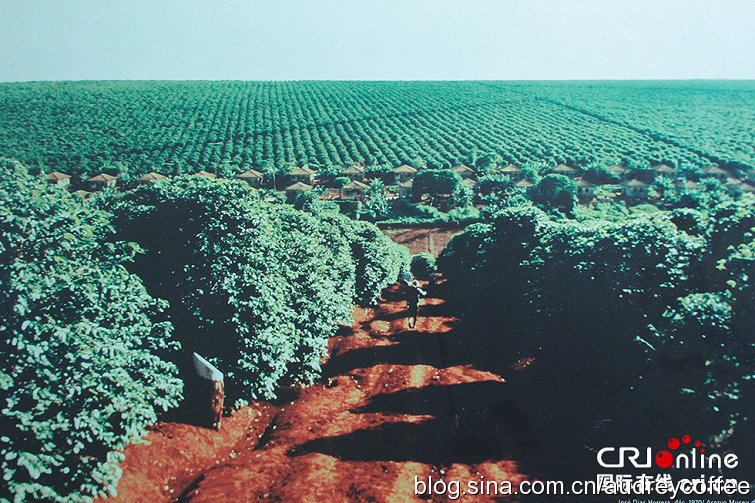
Take you to a coffee farm in Brazil to learn about coffee beans.
Brazil is the largest coffee producer and the second largest coffee consumer in the world. In Brazil, wherever you go, you can have coffee in the morning or at night. Unlike the Italian concentrate, or latte or cappuccino, as most of us know, what Brazilians like most is the kind of ordinary coffee in a small cup, which is hot and mellow. And you can't.
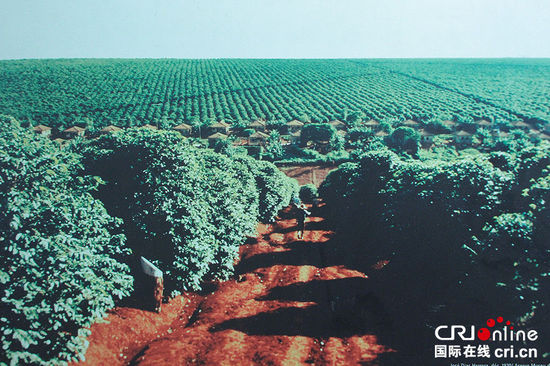
Review the coffee history of Brazil in the Coffee Museum
Brazil's Coffee Manor International online report (Reporter Zeng Yun): Brazil is the largest coffee producer and the second largest coffee consumer in the world. Zeng Yun, a reporter based in Brazil, will take you to the Coffee Museum in Santos, the coffee city of Brazil, to review the history of coffee in Brazil. In Brazil, wherever you go, you can have coffee in the morning or at night. No.
Introduction to the flavor and taste characteristics of coffee from Santa Rita Manor, Colombia
Costa Rica accounts for only 0.03% of the world's land area, but with nearly 4% of the world's species, Costa Rica is one of the countries with the richest biological species in the world. 26% of the land area is a national park or nature reserve, including 11 wetlands, 2 biological reserves and 3 World Natural Heritage sites. The national forest coverage rate is 52%. It is called the Legislative Assembly, the unicameral system, the Barber Congress, all right.

Introduction to the description of the grinding degree, taste and flavor of Costa Rican Yerzaro coffee with good sweetness
Costa Rica accounts for only 0.03% of the world's land area, but with nearly 4% of the world's species, Costa Rica is one of the countries with the richest biological species in the world. 26% of the land area is a national park or nature reserve, including 11 wetlands, 2 biological reserves and 3 World Natural Heritage sites. The national forest coverage rate is 52%. Natural resources include iron, manganese, mercury, bauxite,

The rich flavor of Costa Rican goddess manor coffee flavor and taste characteristics of boutique coffee introduction
Costa Rica accounts for only 0.03% of the world's land area, but with nearly 4% of the world's species, Costa Rica is one of the countries with the richest biological species in the world. 26% of the land area is a national park or nature reserve, including 11 wetlands, 2 biological reserves and 3 World Natural Heritage sites. The national forest coverage rate is 52%. Natural resources include iron, manganese, mercury, bauxite,

The flavor of Costa Rican coffee with pleasant aroma. Introduction to the characteristics of fine coffee beans in the manor area.
Costa Rica accounts for only 0.03% of the world's land area, but with nearly 4% of the world's species, Costa Rica is one of the countries with the richest biological species in the world. 26% of the land area is a national park or nature reserve, including 11 wetlands, 2 biological reserves and 3 World Natural Heritage sites. The national forest coverage rate is 52%. Natural resources include iron, manganese, mercury, bauxite,